

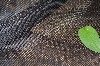
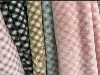
Haining Hongou Textile Co., Ltd. is located in Haining Warp Knitting Industrial Development Zone, Zhejiang, China. We are a company specializing in producing, processing, finishing, and sale of various knitted fabrics. Our core mission is to offer best service for each customer, ensuring the efficient allocation of our company's resources.
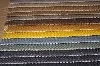
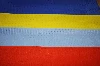
Our primary products include various types of advertising flag and banner fabrics, sofa fabrics, and footwear materials. Our range of products includes super soft Velboa, suede fabric, Tricot fabric, crushed velvet, mesh fabric, laminated fabrics, printed fabrics, and hot stamped fabrics, with excellent quality and competitive pricing.
Type of Knitted Fabric


Why Choose Us?
Variety Of Products
Our company offers a wide range of products, can offer a wide variety of products or services to their customers. This provides more options to choose from and can improve customer satisfaction.
Reliable Quality
Our company have quality assurance mechanisms in place to ensure that their products meet certain standards. This can provide customers with confidence that they are getting a reliable product.
Competitive Pricing
We offer competitive pricing without compromising on quality, making our products accessible to a wide range of customers.
Customer Service
Our team is highly responsive and always available to assist our customers with any questions or concerns.
What is Knitted Fabric?
Knitted fabric is a textile that results from knitting, the process of inter-looping of yarns or inter-meshing of loops. Its properties are distinct from woven fabric in that it is more flexible and can be more readily constructed into smaller pieces, making it ideal for socks and hats. Knitted fabric are constructed by interloping one or more sets of yarns. Common examples of apparel utilizing knitted fabric are socks. Knitting is a more versatile manufacturing process, as entire garments can be manufactured on a single knitting machine, and it is much faster than weaving. However, due to the looping, more yarn is required to manufacture a knitted garment than a comparable woven garment. Thus any cost savings gained in manufacturing speed are offset by the higher materials cost.
Advantages of Knitted Fabric
If you've ever wondered about the hidden gems woven into the fabric of knitted textiles, you're in for a treat. The benefits of knitted fabric go beyond mere threads and stitches, offering you a world of possibilities. From unparalleled comfort to effortless style, knitted fabrics hold a treasure trove of advantages waiting to be explored.
Scalability
Knitted fabric are made of yarn bent into loops and connected with each other. The loops have large expansion and contraction space up and down, left and right. Therefore, they have good elasticity, fit with the body when wearing, comfortable and convenient, and are suitable for the requirements of stretching and bending during human movement.
Softness
The raw material used for knitted fabric is fluffy, soft and less twisted yarn. There is a layer of tiny fleece on the surface of the knitted fabric, and the tissue composed of coils is loose and porous. When wearing, the friction between the skin and the surface of the fabric is reduced, giving a comfortable and gentle feeling.
Moisture absorption and permeability
Because the coils that make up the knitted fabric are connected with each other, countless isolated air bags are formed inside the fabric, which has good thermal insulation and breathability. In addition, plant and animal fibers have certain hygroscopic capacity, especially cotton fiber, which has good hygroscopic performance.
Wrinkle resistance
When the knitted fabric is subjected to wrinkling external force, the coil can be transferred to adapt to the deformation when the force is applied; when the crease force disappears, the transferred yarn can quickly recover and keep its original state. In addition, chemical fiber knitted fabric also has the advantages of easy washing and quick drying.
What Are the Two Types of Knitted Fabrics?
There are two primary categories of knitted fabric types: Weft knit and warp knit. There are a lot of knits in these two categories that fall into distinct subcategories. Weft knitting includes single knits like jerseys and double knits like a rib. The two primary varieties of warp knits are rib and tricot. There are two styles of knitted fabric, depending on how the loops are formed.
Weft knitting
Weft knitting is a technique for creating fabrics where the loops are formed horizontally from a single yarn and each subsequent row of loops builds atop the previous rows of loops successively. On a course-wise basis, loop intermeshing can occur in both circular and flat forms.
The resulting cloth is warm, cozy, and highly elastic. Depending on the type of yarn used, different properties can be obtained. The knitted fabric’s structure and knit density are to blame for the curls in the wales and course directions.
Warp knitting
In the process of creating a fabric called warp knit, loops are produced from each warp yarn vertically along the length of the cloth. As a result, each yarn will have its needle. In contrast to weft knits, the knitted stitches in warp knit materials have a diagonal crisscross pattern and feel smoother. Compared to weft knitting, it displays less flexibility.
Properties like soft and drapey, increased density, and warmth to wear make it preferable to the weft. Weft knitting does not allow for the processing of a wide variety of yarn types, such as filament, combed, staple, or carded.
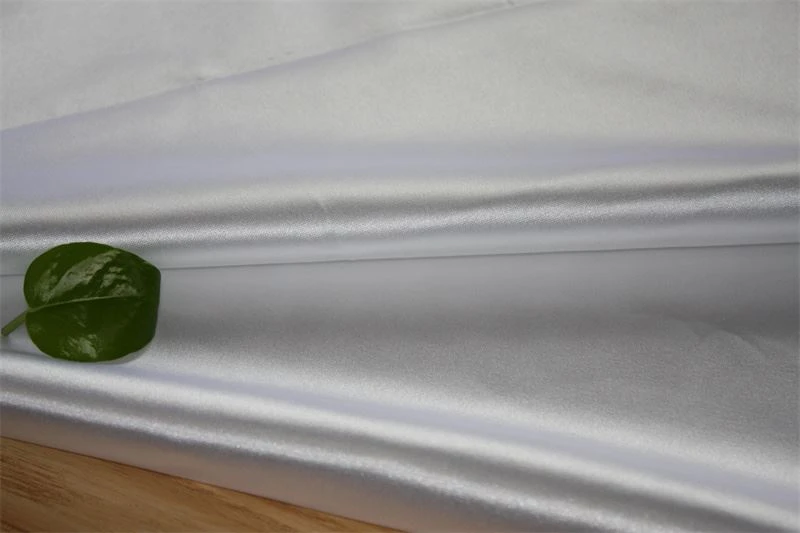
There are numerous ways to classify and measure knitted fabrics. Begin by determining the fiber content or composition: is it cotton, polyester, or blend? Fibers are either synthetic(man-made) or natural. A fiber is the smallest visible unit of any textile product. Fibers are flexible and may be spun into yarn and made into fabrics. This information must be labeled on all garments. Fiber content is a legal requirement in North America and must be disclosed to the consumer.Beyond fiber content, It is important for a designer-entrepreneur to understand fabric structure in order to select fabrics that will behave as needed for a particular design.
The three types of structures are knits, woven and non-woven. There are many advantages and disadvantages to each method, all of which affect their end use. Woven and knitted fabrics are the most common types and they have many differences and similarities. The terms "woven" and "knit" do not refer to specific fabrics, but rather the design or the way the fabric is put together. For instance, cotton is a type of fiber that comes in both knit and woven designs. Each structure can be further classified into construction type; how they are knit together.The other method includes non- woven fabrics. Fabric such as felting, laminating, and bonding are considered non-woven. It is neither a woven or non-woven.The easiest way to tell whether a fabric is knit or woven is to look closely at the fabric.
Knitted fabrics are fibrous structures characterized by a basic structure called loop, and are produced by the interlooping of one or more yarns. They can be produced using warp-knitting technology, and also by weft-knitting technology, producing fabrics with different characteristics and properties. In weft-knitted fabrics, loops are produced in courses from at least one yarn, while in warp- knitted fabrics loops are produced in wales using a number of yarns identical to the number of wales to be formed. In both structures, by varying the type of loops produced, the loop length, the yarn linear density, the cover factor and the density of wales and courses, a wide range of structural combinations can be achieved.
The tensile behaviour of knitted fabrics is strongly restricted by its loop formation. During the application of a tensile load, the loops change their shape in order to accommodate the applied load. In this part of the deformation small loads lead to large displacements, which is the typical behaviour of low-stiffness materials. When this type of structure is used as reinforcement, the mechanical properties of the composite material may be considerably hindered, as the resin may bear the initial load and fail before the load is transferred to the reinforcing fibers. These structures show mechanical properties very similar to those of woven fabrics. Knitted fabric are very flexible and, depending on the construction, they can be elastic or inelastic.
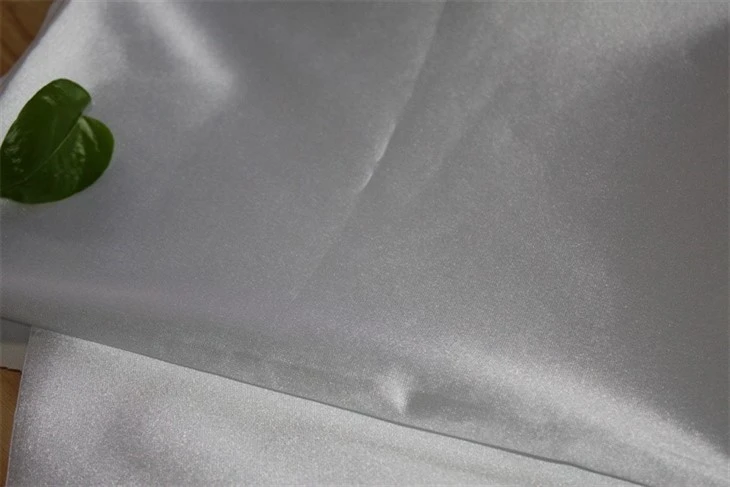
Characteristics of Knitted Fabrics
Stretchability
Knitted fabrics, particularly weft knits, exhibit remarkable stretchability combined with partial elastic rebound. This residual deformation, which can be mostly eliminated through agitation like washing and tumble drying, enhances comfort during bodily movements and grants wearers greater freedom. However, this stretchability can pose challenges during garment cutting and sewing, potentially leading to sagging at areas like the knees and elbows.
Wrinkle And Tear Resistance
Knitted fabrics boast impressive resistance to wrinkles, thanks to their looped structure. When folded or bent, these loops function as reversible hinges at the fabric's edges. Additionally, their high tear resistance is attributed to the loops evenly distributing stress throughout the fabric due to their extensibility.
Limpness
Limpness, the opposite of stiffness, characterizes both warp and weft knitted fabric, contributing to their soft and graceful drape.
Softness
The fabric's tactile quality is linked to its stiffness or flexural rigidity. Knitted fabrics, with their lower flexural rigidity compared to fabrics of similar weight, possess a notably soft texture.
Fullness
The fullness or hand of knitted fabrics depends on the bending modulus of their knitted structure. Bending modulus is directly related to flexural rigidity and inversely related to the cube of fabric thickness. Weft knits, due to their low flexural rigidity and greater thickness, exhibit a fuller feel compared to woven fabrics and even warp knits. Additionally, the low twist of the yarns contributes to the overall softness and fullness of knitted fabrics.
Air Permeability
Knitted fabrics are significantly more air-permeable than woven counterparts. This property arises from the inherent airspace created within the fabric structure through loop interlacement. Such air permeability is particularly advantageous for underwear, ensuring that garments in close contact with the skin allow for breathability and comfort.
Knitted fabrics are constructed by interloping one or more sets of yarns. Common examples of apparel utilizing knitted fabrics are socks. Knitting is a more versatile manufacturing process, as entire garments can be manufactured on a single knitting machine, and it is much faster than weaving. However, due to the looping, more yarn is required to manufacture a knitted fabric garment than a comparable woven garment. Thus any cost savings gained in manufacturing speed are offset by the higher materials cost.
Knits are comfortable fabrics, as they adapt to body movement. The loop structure contributes to elasticity beyond what is capable of the yarns or fibers alone. A knitted fabric is prone to snagging, and has a higher potential shrinkage than a woven fabric. The loop structure also provides many cells to trap air, and thus provides good insulation in still air. Knitted fabrics are not typically very wind- or water-repellent.
Most Common Uses of Knitted Fabric
Knitted fabrics are the most versatile and have many applications outside of clothing. knitted fabric's versatility allows it to be used for a wide range of applications, from home furnishings to accessories. Some of the most common uses of knitted fabric include:
Clothing
Knitted fabric is commonly used in the manufacture of clothing such as T-shirts, sweatshirts, and leggings. Its stretchiness and softness make it comfortable to wear, and it is often preferred for casual wear.
Home Furnishing
Knitted fabric is also used in the production of bedding, blankets, and towels. It is known for its softness, absorbency, and durability, making it ideal for these applications.
Baby Items
Soft and gentle knitted fabrics are often used in the production of baby items such as blankets, onesies, and bibs.
Activewear
Owing to its flexibility and stretchable nature, knitted fabrics are highly capable to use as base layer for active wear. Its elasticity allows the body to move freely.
Accessories
Knitted fabric is commonly used to make scarves, hats, and other accessories. Its stretchiness allows it to easily conform to different head and neck shapes, making it a popular choice for these items. Knitted fabric is also a popular choice for socks due to its ability to stretch and conform to the feet, providing comfort and support.
How to Maintain Knitted Fabric?
Designed for everyday wear and crafted with 100% natural knitted fabrics, our knitted fabric essentials are the perfect cosy addition to your winter wardrobe. Enjoy your knitted fabric for seasons to come by following these simple guidelines.
Storage
Store your knitted fabric in a drawer or shelf. Hanging knitted fabric can cause the shape and fit to distort.
Washing
Wash your knitted fabric by hand or on a gentle cycle in your washing machine with like colours. Avoid harsh detergents, bleach, and stain removers. Instead, opt for an eco-friendly wool wash to maintain the colour and beauty of your pieces.
Drying
If hand washing soak for 5-10 minutes & rinse thoroughly, to get rid of excess water roll your knitted fabric in a clean towel and gently press to absorb the water. Gently pull to shape and dry flat. Do not wring.
Care
Pilling of wool and cashmere is not a sign of poor quality but a natural reaction that occurs when the very soft wool fibres rub during wear. This is more likely to occur with brushed products & the beauty of natural fiber knitted fabrics is that these can easily be removed gently by hand.
Sometimes, during wear a yarn pull may occur through snagging on jewellery or other objects, this can be mended by pulling the long yarn to the back of the garment and securing this in a knot.
Composition of Fiber Used
Different fibers offer various properties. For instance, cotton provides breathability, while polyester offers durability and wrinkle resistance. Consider the blend of fibers for desired characteristics.
Yarn Count
Yarn count indicates the thickness or fineness of the yarn. A finer yarn count results in a softer, smoother fabric, whereas a coarser yarn count may offer more durability.
Types of Knitted Machine
Various knitting machines produce different types of knitted fabrics. For example, circular knitting machines produce seamless tubes of fabric, while flat knitting machines produce rectangular panels.
Knitting Machine Gauge
Gauge refers to the number of needles per inch on a knitting machine. A higher gauge produces finer fabrics suitable for lightweight garments, while a lower gauge creates thicker fabrics suitable for heavier garments.
Types of Knit
Knitted fabrics come in various types such as jersey, rib, interlock, and purl. Each type offers unique characteristics in terms of stretch, drape, and texture, so choose based on the intended use of the fabric.
GSM (Grams per Square Meter)
GSM indicates the weight of the fabric per unit area. Higher GSM fabrics are denser and heavier, suitable for colder climates or structured garments, while lower GSM fabrics are lighter and suitable for warmer weather or draping garments.
Number of Wale and Course
Wale refers to the vertical columns of stitches in a knitted fabric, while course refers to the horizontal rows. The number of wales and courses per unit of measurement affects the fabric's stretch, appearance, and texture. Higher wales and courses typically result in a finer, smoother fabric.
Our Factory
Our company possess a variety of German Karl Mayer warp knitting machines and related equipment, as well as various types of circular knitting machines, sewing machines, lamination, printing, and foil stamping machinery. Each production stage is supported by specialized technical research and development teams responsible for product development and technical support.
Our primary products include various types of advertising flag and banner fabrics, sofa fabrics, and footwear materials. Our range of products includes super soft Velboa, suede fabric, Tricot fabric, crushed velvet, mesh fabric, laminated fabrics, printed fabrics, and hot stamped fabrics, with excellent quality and competitive pricing. They are exported both domestically and internationally, earning praise from a wide array of domestic and foreign clients.

Ultimate FAQ Guide to Knitted Fabric
Q: What does knit in a fabric mean?
Q: What type of knitted fabric is the softest?
Q: What is a knitted fabric?
Q: Is knitted fabric the same as cotton?
Q: Is knitted fabric stretchy?
Q: What is the difference between knitted fabric and fabric?
Q: What does knitted fabric look like?
Q: Is 100% cotton a knitted fabric?
Q: What does knitted fabric feel like?
Q: Is polyester considered a knitted fabric?
Q: Is knitted fabric strong?
Q: What is knitted fabric best used for?
Q: Is knitted fabric comfortable?
Q: Why are knitted fabrics not used as often as woven fabrics in the home?
Q: Why are knitted fabric good for winter?
Q: Why is knitted fabric better than woven fabric?
Q: What are the benefits of using knitted fabric for clothing and garments?
2.Elastic nature.
3.Lightweight.
4.Comfortable.
5.Need little care.
6.Available in all colors.
7.Easier manufacturing.
Q: Is knitted fabric breathable?
Q: How are knitted fabrics made?
Q: What is the advantage of knitted fabric over womens?
We're professional knitted fabric manufacturers and suppliers in China, specialized in providing high quality custom service. We warmly welcome you to wholesale high-end knitted fabric made in China here from our factory.
Plush Material, Couch Fabric, Fine Mesh Netting Fabric