

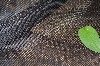
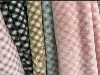
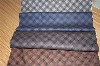
Haining Hongou Textile Co., Ltd. is located in Haining Warp Knitting Industrial Development Zone, Zhejiang, China. We are a company specializing in producing, processing, finishing, and sale of various knitted fabrics. Our core mission is to offer best service for each customer, ensuring the efficient allocation of our company's resources.
Our primary products include various types of advertising flag and banner fabrics, sofa fabrics, and footwear materials. Our range of products includes super soft Velboa, suede fabric, Tricot fabric, crushed velvet, mesh fabric, laminated fabrics, printed fabrics, and hot stamped fabrics, with excellent quality and competitive pricing.
Type of Velvet Fabric


Why Choose Us?
Variety Of Products
Our company offers a wide range of products, can offer a wide variety of products or services to their customers. This provides more options to choose from and can improve customer satisfaction.
Reliable Quality
Our company have quality assurance mechanisms in place to ensure that their products meet certain standards. This can provide customers with confidence that they are getting a reliable product.
Competitive Pricing
We offer competitive pricing without compromising on quality, making our products accessible to a wide range of customers.
Customer Service
Our team is highly responsive and always available to assist our customers with any questions or concerns.
What is Velvet Fabric?
Velvet fabric, a luxurious fabric made from soft and luxurious fabrics, is distinguished by its dense pile of perfectly cut fibers with a smooth feel. Velvet fabric is characterized by the short pile fibers that give it a soft, shiny look and beautiful drape. Velvet fabric can be used for evening wear or dresses for special occasions. Velvet fabric can be made from cotton, silk, and wool. This makes velvet cheaper and more affordable. Velvet fabric is a staple in home decor. It's used for upholstery, curtains, pillows, and many other purposes.
Advantages of Velvet Fabric
The soft texture and elegant appearance of the velvet fabric makes it a top choice for party apparels. It is resistant to alkalis, chemicals and molds and is extremely comfortable to wear. It has a medium range of elasticity which makes it easy to manipulate while manufacturing a dress. Velvet fabric is not easy to deform or wrinkle and retains its shape since it is not prone or shrinkage. The high fiber strength makes velvet durable and it is resistant to water.
Luxurious aesthetic
Velvet fabric's opulent appearance and soft texture are its most significant advantages, making it a popular choice for high-end fashion and interior design.
Warmth
Velvet fabric provides excellent insulation and warmth, making it ideal for colder seasons.
Drapability
Velvet fabric's drape quality allows it to flow gracefully, enhancing the design of clothing and home furnishings.
Versatility
Velvet fabric is available in various weights and compositions, allowing it to be used in a range of applications, from fashion to upholstery.

Velvet fabric, in textiles, fabric having a short, dense pile, used in clothing and upholstery. Velvet fabrics can be made water-repellent and crush-resistant. They are also occasionally patterned or embossed. Velvet fabric is made in the pile weave, of silk, cotton, or synthetic fibres, and is characterized by a soft, downy surface formed by clipped yarns. The wrong side of the fabric is smooth and shows the weave employed.
Velvet fabric is woven on a special loom that weaves two thicknesses of the material at the same time; the two layers are connected with an extra warp yarn that is woven over rods or wires. The two pieces are then cut apart to create the fabric's pile, and the two lengths of fabric are wound on separate take-up rolls. This complicated process meant that velvet fabric was expensive to make before industrial power looms became available, and well-made velvet fabric remains a fairly costly fabric. Velvet fabric is difficult to clean because of its pile, but modern dry cleaning methods make cleaning more feasible. Velvet fabric pile is created by cutting the warp yarns, while velvet fabriceen pile is created by cutting the weft yarns.
Applications of Velvet Fabric
Velvet fabric is used in upholstery, wall hangings, dresses, eveningwear, bath robes, dresses, bedding, hats, and multiple other products. Shoes and Bags also use this fabric for authentic designs. Velvet feels good against the skin which is why it experiences high demand as furniture upholstery. Rooms with velvet curtains and sheets also offer a unique visual appeal.
Velvet fabric finds use in various applications, including:
01
Fashion
Velvet fabric is a favourite fabric for eveningwear, formal attire, and accessories like scarves and gloves.
02
Furniture
Upholstery and cushions made from velvet fabric can add a touch of luxury to home decor.
03
Interior Decor
Velvet curtains, drapes, and bedding can transform living spaces with their rich texture

The production process of velvet fabric involves several stages, including:
Preparation of the Yarn
The first stage in the production of velvet fabric is the preparation of the yarn. The yarn is made by spinning fibers together to create a long, continuous thread. The fibers are chosen based on the desired properties of the fabric.
Weaving the Fabric
The next stage is the weaving of the velvet fabric. This involves the interlacing of the yarn to create the base fabric. The base fabric can be made from a variety of weaves, including plain weave, twill weave, and satin weave.
Adding the Pile
After the base fabric is woven, the next stage is to add the pile. The pile is the raised surface of the velvet fabric that gives it its characteristic softness and texture. The pile is created by weaving additional yarns into the base fabric and then cutting the loops to create the pile.
Finishing the Fabric
Once the pile is added, the velvet fabric is finished to enhance its appearance and durability. The finishing process may include washing, dyeing, printing, or coating the fabric with a protective layer.
Features of Velvet Fabric
Different properties and uses make the velvet fabric more special.
It's Incredibly Versatile Velvet: The fabric feels and looks luxurious, but it is also more versatile than other textiles. It can be used for all types of applications.
It Is Specially Made: Velvet fabrics were traditionally made from silk and has the ability to reflect light differently depending on their design. This is the beauty of velvet.
It Was Built To Last: One of the biggest misconceptions about velvet is its difficulty to maintain. This misconception is based on the fact that velvet fabric can be very durable and last decades if properly maintained. Like wine and leather, velvet only gets better over time.
It Is Rich And Soft: Velvet fabric's soft texture and rich color make it a great material for creating beautiful upholstered furniture.
Velvet Fabrics Are Affordable: Velvet is available in every price range and weight. The most expensive fabrics are made from silk fibers, while the most affordable are cotton, polyester, and other synthetic blends.
There are several different velvet fabric types, as the fabric can be woven from a variety of different materials using a variety of methods.
Crushed Velvet:As the name suggests, crushed velvet has a "crushed" look that is achieved by twisting the fabric while wet or by pressing the pile in different directions. The appearance is patterned and shiny, and the material has a unique texture.
Panne Velvet:Panne velvet is a type of crushed velvet for which heavy pressure is applied to the material to push the pile in one direction. The same pattern can appear in knit fabrics like velour, which is usually made from polyester and is not true velvet.
Embossed Velvet:Embossed velvet is a printed fabric created via a heat stamp, which is used to apply pressure to velvet, pushing down the piles to create a pattern. Embossed velvet is popular in upholstery velvet materials, which are used in home decor and design.
Cisele:This type of patterned velvet is created by cutting some looped threads and leaving others uncut.
Plain velvet
Plain velvet is usually a cotton velvet. It is heavy with very little stretch and doesn't have the shine that velvet made from silk or synthetic fibers has.
Stretch velvet
Stretch velvet has spandex incorporated in the weave which makes the material more flexible and stretchy.
Pile-on-pile velvet
This type of velvet has piles of varying lengths that create a pattern. Velvet upholstery fabric usually contains this type of velvet.
6 Things to Know About Velvet Fabric
Used widely across fashion and interiors, velvet fabric has long been a go-to fabric for creating a high-style look. But it can come off as a little intimidating-you might feel it reads too extravagant or that caring for it is too troublesome. We're here to dispel those rumors and to let you know that velvet fabric is in fact a practical option for any home. Read on to see what makes it one of our favorite fabrics.


It's Surprisingly Versatile
Velvet fabric feels and looks more luxurious than most textiles, but that doesn't mean it's any less adaptable in the home. Because it's available in such a wide array of forms-from large pieces such as upholstered beds to smaller options like throw pillows-you can go all-out or keep it simple. It also transcends trends and styles beautifully: Its luminous sheen makes it especially fitting for a glamorous room, but it can feel equally at home in relaxed or modern spaces.
Producing It Is Complex
Because it's not a flat-woven fabric like linen, velvet fabric requires more yarn and takes multiple steps to produce. Yarn is first woven together on a loom between two layers of backing. The fabric is then split down the middle, creating two identical pieces, each with the upraised pile that provides its soft, heightened texture. Velvet fabric can be woven from any type of yarn. While in the past it was typically woven from silk, today cotton, linen, wool, and synthetic fibers (often in combination) are commonly used.
It's Built To Last
It's a common misconception that velvet fabric is high-maintenance. In truth, the fabric isn't all that delicate and can last for decades if properly cared for. Even in a family room that gets a lot of action, a velvet fabric sectional is a functional option that will hold up beautifully to years of wear. You'll notice that when you sit on a velvet fabric piece, the pile often ruffles up, or becomes what experts call "bruised." if you're not a fan of these marks, don't fret. Over time, the pile will return back to its natural state, or you can gently steam it to smooth it out. Some heavier marks will become permanent, but think of them as a patina that will give the piece a greater sense of character. Velvet fabric is just like leather (or a fine wine): It gets only better with age.
It's Easy To Clean
The simplest way to maintain your velvet fabric is to incorporate it into your regular cleaning routine. When vacuuming the carpet, use the hand-held nozzle on any velvet fabric pieces to get up dirt that might be caught inside the pile. As far as spills are concerned, velvet fabric is often treated with stain repellents, so you should be able to gently dab the liquid up with a damp towel. It does get a little trickier once the stain has dried-because velvet fabric can be made with so many types of yarn, it's best to consult the manufacturer to figure out the best way to proceed. (or play it extra safe with our exclusive collection of stain-resistant performance velvet fabric upholstery.)
It Can Be Lightened Up
From deep-emerald sofas to navy accent chairs, we often associate velvet fabric furnishings with richer colors-and with darker, more decadent spaces. And while it certainly shines in this palette, velvet fabrics in softer shades are equally alluring. Here, a pastel-purple sofa is paired with other spring-y hues for a look that feels light and utterly fresh.
It's Not All About Glamour
While we love the all-out glam spaces in which we typically see velvet fabric, it works just as well in a palette-cleansing, masculine space. Here, a taupe velvet fabric-upholstered bed provides a warm but sophisticated backdrop for the rest of the room, playing off the breezy blues and relaxed textures for an easy, polished look.
How to Choose Velvet Fabric?
Velvet fabric styles are as varied as the fabrics themselves. Velvet can be crushed, panne, embossed and shaggy to name a few. Velvet fabrics are often associated with luxury due to their softness and appearance of being luxurious when worn against the skin. However there are many different types of velvet fabrics available on the market today so it's important to know what kind you're looking at before making any purchases!
Weight
The weight of velvet fabric is measured in ounces per yard. The higher the number, the heavier it will feel and look on your finished project. For example, a 12-ounce fabric has more than twice as much material in each square foot than an 8-ounce fabric would have; therefore it will drape differently and have more body when draped over furniture or other items.
Pile
Pile refers to how closely woven together each strand of yarn is within a single thread. This can be measured by looking at how many times one strand crosses another before continuing on its way (also known as "twist"). A high pile means that there are fewer crossings per inch than a low pile which produces a softer feeling surface with less depth when viewed from above
Maintenance of Velvet Fabric
Velvet fabric is a luxurious, elegant material that has been used for centuries. It can be found in everything from curtains to upholstery and even clothing. Velvet is known for its softness and richness, but it also requires some special care if you want it to last.
Vacuum regularly with a soft brush attachment to remove loose dirt from the surface of your velvet fabric. You can also use a dry cleaning solvent on stains that won't come out easily with water or soap (such as blood). Spot clean any small spots with mild detergent and water; then let air dry completely before allowing direct sunlight onto the area again (this will prevent fading). If necessary, professional cleaning services may be available at some point during the life span of your velvet fabric so keep this in mind when shopping around!
Our Factory
Our company possess a variety of German Karl Mayer warp knitting machines and related equipment, as well as various types of circular knitting machines, sewing machines, lamination, printing, and foil stamping machinery. Each production stage is supported by specialized technical research and development teams responsible for product development and technical support.
Our primary products include various types of advertising flag and banner fabrics, sofa fabrics, and footwear materials. Our range of products includes super soft Velboa, suede fabric, Tricot fabric, crushed velvet, mesh fabric, laminated fabrics, printed fabrics, and hot stamped fabrics, with excellent quality and competitive pricing. They are exported both domestically and internationally, earning praise from a wide array of domestic and foreign clients.

Ultimate FAQ Guide to Velvet Fabric
Q: What is good about velvet fabric?
Q: How do you take care of velvet fabric?
Q: How long does velvet fabric last?
Q: What are the uses for velvet fabric?
Q: What can I make with crushed velvet fabric?
Q: What makes velvet fabric special?
Q: What are the origins of velvet?
Q: What are the advantages of velvet fabric?
Q: How is velvet fabric made?
Q: What is the difference between soft velvet and plush velvet?
Q: How long does velvet fabric last?
Q: What are the few points about velvet fabric?
Q: What is high quality velvet made of?
Q: Is velvet fabric too hot for summer?
Q: Is velvet fabric hard to maintain?
Q: What fabric is similar to velvet?
Q: What are the pros of velvet fabric?
Q: What are 10 uses of velvet fabric?
Q: What is the problem with velvet fabric?
Q: What is the most luxurious velvet?
We're professional velvet fabric manufacturers and suppliers in China, specialized in providing high quality custom service. We warmly welcome you to wholesale high-end velvet fabric made in China here from our factory.
Pure Plush Fabric, Micro Suede Fabric, Digital Printing Fabric